Benefits of Hiring Local Pest Control Services in Sussex County

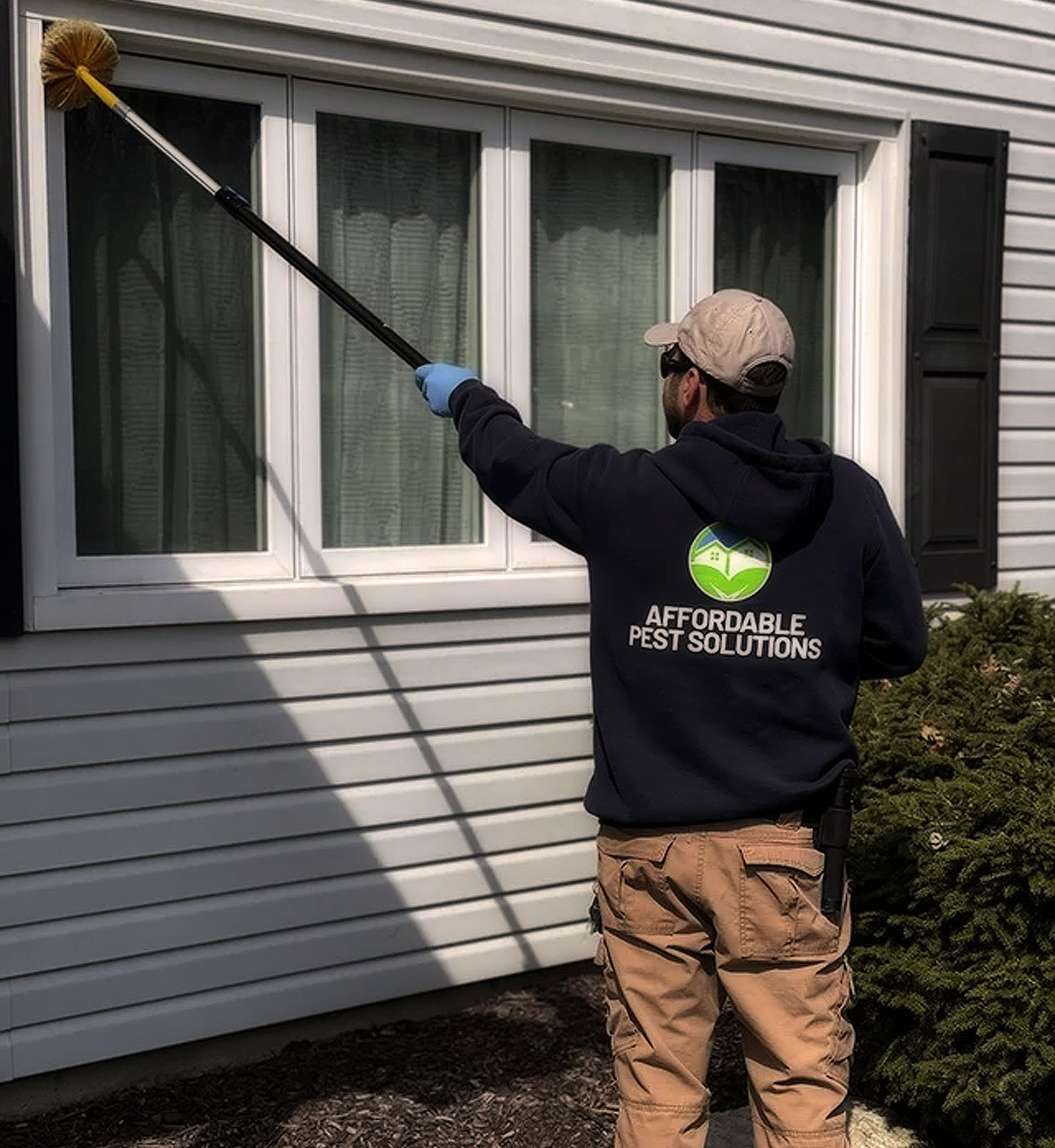
Pests are rarely just a nuisance. In Sussex County, they can become a structural problem, a sanitation issue, and in some cases a direct threat to health and comfort. A few ants in the kitchen may seem minor until they trace back to moisture behind a wall. A squirrel in the attic is not just making noise, it may be chewing wiring and compressing insulation. Termites do not announce themselves at all. They work quietly, often for months or years, before a homeowner notices a soft window frame or a door that no longer closes cleanly.
That is why the choice of pest control company matters. Hiring a national brand may feel safe because the name is familiar, but there are real advantages to working with a local provider that knows Sussex County firsthand. Local pest control is not simply about being nearby. It is about knowing the patterns of the area, the housing stock, the weather swings, the seasonal pressure points, and the practical reality of how pests behave from one town to the next.
Homeowners and business owners usually discover this after a problem appears. The people who see the most value are often the ones who have already had one poor experience with a generic, one-size-fits-all service. They learn that speed, local knowledge, and accountability make a measurable difference.
Sussex County has its own pest pressures
Any discussion of Pest Control Services Sussex County should start with the environment itself. Sussex County presents a mix of conditions that pests love. There are wooded lots, wetlands, shore-adjacent communities, older farm properties, dense neighborhoods, and newer developments carved out of previously undisturbed land. Each setting attracts different pest activity, and sometimes several at once.
A house near a tree line may deal with carpenter ants, rodents, and seasonal stink bugs. A property with standing water or poor drainage can see heavy mosquito pressure in warmer months. Older homes often have more entry points, more voids behind walls, and more opportunities for mice or overwintering insects to settle in. Restaurants and retail spaces have their own set of concerns, especially where deliveries, trash handling, and frequent door use create an open invitation for cockroaches, flies, and stored-product pests.
A local technician does not have to guess at these patterns. They have usually seen them repeat year after year. They know when subterranean termites become active, when yellow jackets start building, when cluster flies begin searching for overwintering shelter, and how mild winters can shift spring activity forward by weeks. That kind of pattern recognition is difficult to teach from a script.
Faster response matters more than most people expect
Pest issues tend to get worse in a hurry. Mice reproduce quickly. Wasp nests grow fast in the right weather. Bed bug concerns can spread from one room to another if handled poorly. Even something as ordinary as pavement ants can turn into a constant indoor trail when a colony has established itself close to the foundation.
One of the clearest benefits of hiring a local company is response time. A local office can often inspect sooner, schedule follow-up visits faster, and adjust treatment without routing the customer through a regional call center. That speed is not just convenient. It can limit damage and reduce the size of the infestation.
Consider a common summer scenario. A homeowner notices mud tubes on a basement wall on a Thursday evening. Waiting a week or more for an inspection feels like an eternity, especially when the word termites is involved. A local company serving Sussex County is more likely to have a technician nearby who can evaluate the issue promptly, confirm whether it is active termite activity or an old condition, and recommend treatment before more uncertainty sets in.
That same advantage applies to commercial properties. If a restaurant manager finds roach activity before opening, they need someone who understands the urgency. Delays are expensive. Lost time, disrupted operations, and reputational risk add up quickly.
Local knowledge leads to better diagnosis
Good pest control begins with accurate identification. That sounds basic, but many pest problems are misread by property owners, and sometimes even by inexperienced technicians. What looks like termite frass may turn out to be carpenter ant debris. Tiny pantry beetles may be mistaken for a more serious structural issue. Gnaw marks in an attic may be from squirrels, not rats, and the difference changes the entire exclusion strategy.
Local companies build their judgment on repeated exposure to the same regional conditions. They learn which pests are common in Sussex County neighborhoods, which treatments tend to hold up in local weather, and where problems are likely to reappear. They also know the less obvious triggers. A row of arborvitae against the house, firewood stacked too close to the foundation, crawl space humidity, bird feeders near soffits, mulch packed high against siding, all of these details matter.
That experience often makes the inspection more thorough. A technician familiar with the county may notice signs that someone from outside the area would overlook. They may ask better questions, such as whether the issue started after a heavy rain, whether the home sits on a slab or crawl space, or whether neighboring homes have reported similar activity. Those small observations often shape the most effective plan.
Treatment plans tend to be more practical, not more generic
Large providers often work from standardized service packages. There are benefits to consistency, but pests do not follow packages. They respond to shelter, food, moisture, and access. Two homes on the same street can require completely different Pest Control Services Sussex County approaches.
A local pest control professional is more likely to build the plan around the property rather than around a preset program. That might mean emphasizing exclusion work over repeated chemical application. It might mean identifying a gutter leak that is driving carpenter ant activity. It might mean spotting landscape conditions that are supporting ticks or mosquitoes and explaining what can realistically be changed.
This is where experience shows up in ways customers can feel. Instead of hearing a broad promise that the problem will be handled, the homeowner hears specifics. The mice are likely entering at the rear utility penetration. The yellow jackets are using a gap near the soffit return. The roach pressure may be coming from shared walls or a floor drain issue. Specificity builds trust because it reflects actual diagnosis, not sales language.
Accountability is stronger when the company works in your community
Local reputation matters. A company serving Sussex County depends heavily on referrals, repeat customers, and word of mouth. That changes the relationship. If a treatment falls short, they are not dealing with an anonymous account in a distant region. They are dealing with a household or business that may share its experience with neighbors, contractors, real estate agents, and property managers nearby.
That kind of accountability tends to sharpen service quality. The office is easier to reach. The technician is more likely to remember the property. Follow-up feels less transactional. Customers often end up working with the same people over time, which makes seasonal prevention programs more effective because the provider already knows the history of the structure.
There is also a practical side to local accountability. If a customer says the issue returned in a specific area, a local team can compare it with prior notes, remember what was sealed, revisit the same access point, and refine the approach. Continuity matters in pest control, especially for recurring or seasonal pressure.
Local providers often understand older homes better
Sussex County includes many homes with age, character, and hidden vulnerabilities. Older houses are rewarding to own, but they can be demanding when it comes to pest exclusion. Settled foundations, original wood trim, fieldstone basements, crawl spaces, aging vents, and additions built across decades create countless small openings and hidden harborage areas.
A local technician who regularly works in this type of housing stock develops instincts that are hard to fake. They know where mice squeeze in around old utility entries. They know that moisture issues in older basements can create favorable conditions for silverfish, centipedes, and wood-damaging pests. They know that a bat issue in an older roofline requires careful exclusion timing and method, not a rushed fix.
This familiarity is especially helpful during real estate transactions. A buyer may hear that a property has a history of termites, rodents, or carpenter bees and struggle to interpret the seriousness of the report. A seasoned local inspector can usually separate active risk from manageable maintenance, which helps buyers make informed decisions without overreacting or overlooking genuine concerns.
Prevention improves when advice fits the county, not a brochure
Prevention is one of the most underrated parts of pest control. Many infestations can be reduced, delayed, or avoided altogether through maintenance and habit changes. The problem is that generic prevention advice is often too broad to be useful. Telling someone to keep food sealed and close cracks is not wrong, but it is incomplete.
Local companies tend to give advice that reflects conditions they see in Sussex County homes every day. They may point out that deck stairs often hide wasp nests in midsummer, or that basement dehumidification can dramatically reduce silverfish and occasional invaders. They may recommend trimming shrubbery back from siding because local ant activity is using those branches as a bridge. They may explain how acorn-heavy seasons increase rodent pressure as outdoor food sources shift.
The best prevention advice is practical, not performative. It acknowledges what homeowners can reasonably do and what is better left to a professional. Most people can manage sanitation, storage, and some vegetation control. Most should not be climbing into attic voids, handling wildlife, or applying products in a way that risks exposure or misses the target entirely.
Safer use of products is a major advantage
Consumers now have access to countless sprays, traps, bait stations, powders, and repellent products. Some work well in the right hands. Many are misused. Overapplication is common. So is applying the wrong product in the wrong place, which can scatter pests, create unnecessary exposure, and do little to solve the root problem.
A reputable local company brings more than product access. It brings judgment about where treatment is justified, what non-chemical steps should come first, and how to protect children, pets, and sensitive areas of the property. In homes with small children crawling on floors, older adults with respiratory concerns, or pets that investigate every corner, that judgment matters.
Local providers also understand which methods stand up to Sussex County conditions. Heavy rain, humidity, outbuildings, crawl spaces, and seasonal temperature swings all affect performance. The right treatment plan is not just about what kills the pest. It is about what remains effective in the actual environment.
Businesses benefit from local service in different ways
Commercial pest control has a different rhythm from residential work. It is less about comfort and more about continuity, compliance, sanitation, customer perception, and risk management. Restaurants, apartment communities, warehouses, healthcare offices, schools, and retail shops all face distinct challenges.
A local provider can be particularly valuable for businesses because service often needs to be discreet, responsive, and flexible. A technician who knows the area can schedule around foot traffic, respond before a health inspection, and tailor monitoring to the layout and use of the space. They also tend to understand the local business ecosystem. They know which properties share walls, where drainage problems exist behind a shopping center, and how trash storage design contributes to recurring issues.
For businesses, the value is often felt in the reduction of surprises. Good local service turns pest control into a managed process rather than a series of emergencies.
The cost conversation is more nuanced than people think
Price matters, and many property owners start there. That is understandable. But the cheapest service is often the most expensive if it fails to solve the problem or if it treats symptoms while leaving access points untouched. Local companies are not always the lowest bidder, and they are not always the highest either. The better comparison is value over time.
A strong local provider may save money in less obvious ways. Faster response can limit damage. Better diagnosis can reduce repeat visits. More precise treatment can avoid unnecessary service. Solid exclusion advice can prevent reinfestation. If a termite issue is caught early, or if a rodent entry point is sealed before a population grows, the savings can easily exceed the difference in service cost.
Here are some of the value points homeowners and businesses often notice after switching to a local company:
- Quicker scheduling when the issue is urgent.
- More accurate identification of the pest and its source.
- Better follow-up because the provider knows the property history.
- Practical prevention advice tailored to local conditions.
- Easier communication with the same office and often the same technician.
That kind of consistency is hard to capture in a simple price quote, but it often becomes the deciding factor after the first service cycle.
When local matters most
Not every pest issue requires an emergency call, but some situations benefit sharply from local expertise. Wildlife intrusions are a good example. Squirrels, raccoons, bats, and birds create problems that are part pest control, part exclusion, and part structural assessment. Timing matters. So do legal and humane handling requirements. A local company that regularly addresses these issues in Sussex County is usually better prepared than a provider whose model centers mainly on routine insect treatment.
The same is true for termite inspections and ongoing monitoring. Termite pressure varies with moisture, construction details, and surrounding soil conditions. A local specialist often understands which neighborhoods see recurring risk and what preventive measures make the most sense for the style of home.
Mosquito and tick management is another category where Pest Control Services Sussex County local familiarity pays off. County properties differ widely, from small lots in denser developments to large, wooded parcels with drainage swales, stone walls, and ornamental plantings. Local technicians can usually tell whether the better strategy is source reduction, barrier treatment, habitat adjustment, or some combination of the three.
What to ask before hiring
Choosing a provider should not feel complicated, but it should be deliberate. A good company welcomes informed questions and gives clear answers. If the response feels vague or rushed, that is useful information in itself.
A short set of questions can reveal a lot:
- How often do you service properties like mine in Sussex County?
- What pest are you seeing, and what is attracting it here?
- Will you recommend exclusion or repairs along with treatment?
- Who handles follow-up if the issue returns?
- How do you adjust service for pets, children, or sensitive areas?
These questions push the conversation beyond price and toward competence. They also help distinguish a thoughtful inspection from a generic sales visit.
A local company is often easier to work with over the long term
Pest control works best as an ongoing relationship, even when the immediate issue is resolved. Properties change. Weather changes. Nearby construction can disturb rodent burrows or insect habitat. A neighbor’s unmanaged problem can become your problem. The provider who knows your property history can adapt more quickly when those changes happen.
That long-term familiarity becomes especially valuable for seasonal service. The technician remembers that the back foundation gets ant pressure after heavy rain. They know the detached garage tends to attract mice in late fall. They know where yellow jackets nested last year and where to inspect first this year. This is not dramatic expertise, but it is the kind that prevents repeat frustration.
It also creates a more honest service relationship. Local companies that plan to be in the community for years usually have little interest in overselling unnecessary work that leads to distrust. Their business depends on being effective, reasonable, and reachable.
Why Sussex County residents often stay with local providers
Once people find a local pest control company they trust, they rarely go back to a faceless arrangement. The reasons are practical. Service feels more personal because it is more informed. Recommendations reflect the actual property, not a script. Scheduling is smoother. Follow-up is easier. Results are often better because the plan is grounded in how pests actually behave in Sussex County.
For homeowners, that can mean fewer recurring surprises and better protection of the property. For business owners, it can mean steadier operations and less risk to reputation. For both, it usually means having someone to call who already understands the local environment and the structure itself.
That is the core benefit of hiring local Pest Control Services Sussex County. You are not just buying treatment. You are buying familiarity with the county, faster action, stronger accountability, and practical judgment shaped by repeated field experience. When pests show up, those advantages are not abstract. They are exactly what turns a stressful problem into a manageable one.
Affordable Pest Solutions LLC
Based in Budd Lake, New Jersey 07828
Service area: Sussex County, Morris County, and Warren County, New Jersey
+1 973-229-9547
FAQ About Pest Control Services Sussex County
What is included in a pest control service in NJ?
A visit generally starts with an inspection to identify the pest and assess activity, access points, and contributing conditions. The proposed service may include treatment, monitoring, exclusion recommendations, and follow-up. Ask which pests and areas are covered by the written quote.
How much does a pest controller charge in NJ?
Pricing depends on the pest, property size, severity of activity, and work required. A single treatment and an ongoing plan can have different costs and coverage. Request an inspection-based estimate that explains the included work, follow-up fees, and warranty terms.
How to prepare my home for pest control?
Ask for instructions specific to the planned service. The technician may need access to inspection areas and may ask you to move belongings or protect food and dishes. Mention pets, aquariums, and any household concerns beforehand. Follow the product label and the technician's instructions about leaving and re-entering treated areas.